
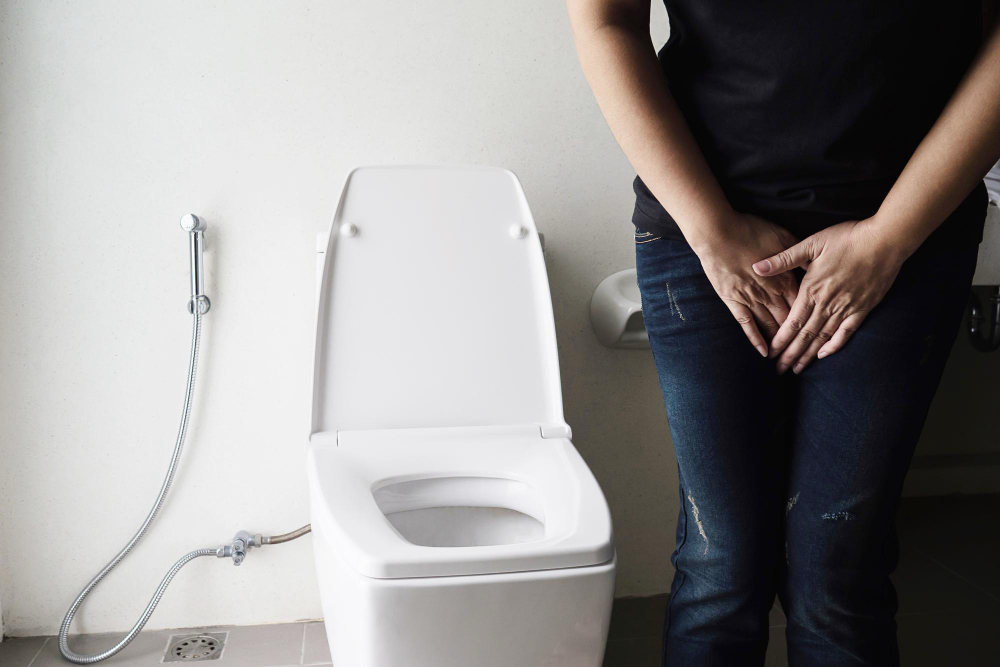
What is a Urinary Tract Infection (UTI)?
Urinary tract infections, or UTIs, are common. They happen when germs enter the urinary system. This system includes the kidneys, bladder, and the tubes that carry urine. UTIs can affect anyone, but they are more common in women. Early urinary tract infection prevention can help you avoid discomfort and health problems.
Common Symptoms of UTIs
UTIs often cause clear signs. However, symptoms can vary from person to person. Watch for these common signs:
If you notice these symptoms, it is wise to seek help. Early treatment can prevent the infection from getting worse.
Causes and Risk Factors
Many things can cause a UTI. Bacteria are the most common cause. They can enter the urinary tract through the urethra. Some people are at higher risk. For example, women have shorter urethras, so bacteria can reach the bladder more easily. Other risk factors include:
Knowing these risks can help you focus on urinary tract infection prevention.
How to Prevent Urinary Tract Infections
Preventing UTIs is possible with simple steps. Here are some top UTI prevention tips:
By following these steps, you can lower your risk. Even small changes can make a big difference in urinary health.
Lifestyle and Hygiene Tips
Good habits support UTI prevention. For example, you can:
Additionally, some people find that cranberry juice or supplements may help. However, the evidence is mixed. Always talk to your doctor before starting any new supplement.
When to See a Doctor
Sometimes, home care is not enough. If you have UTI symptoms that do not go away, see a doctor. Also, seek help if you have:
Early treatment can prevent serious problems, such as kidney infections. Do not wait if you feel very unwell.