
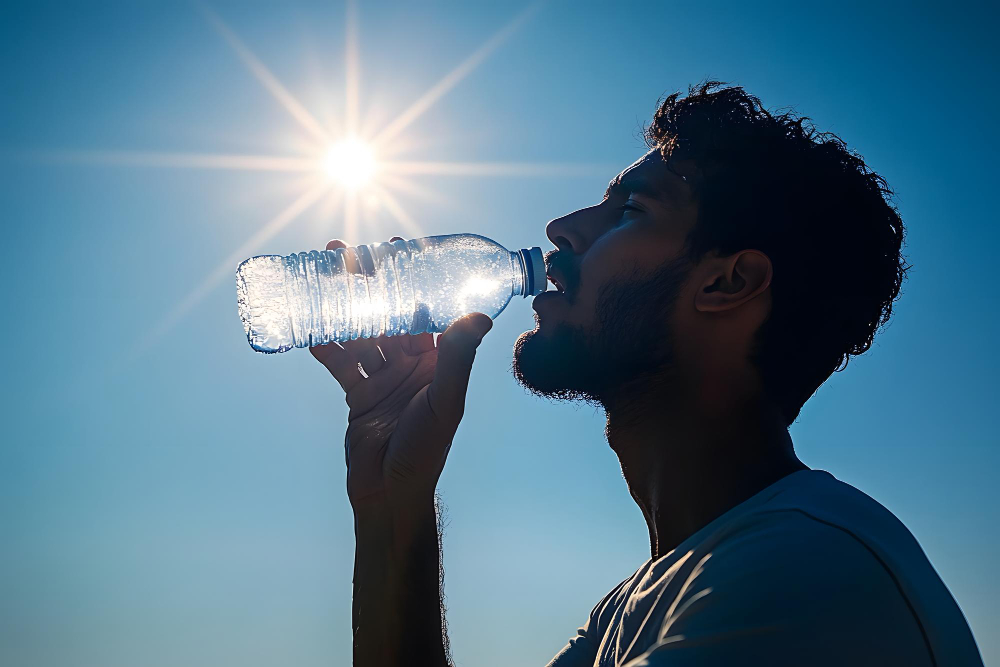
What is Dehydration?
Dehydration happens when your body loses more water than it takes in. This can make it hard for your body to work well. In this dehydration overview, you will learn about the signs of dehydration, what causes it, and how to prevent it. Water is vital for every part of your body. Without enough water, you may feel tired or dizzy. Even mild dehydration can affect your health. Anyone can become dehydrated, but it is more common in hot weather or during illness.
Common Symptoms of Dehydration
It is important to know the signs of dehydration early. This helps you act quickly. Symptoms can be mild or severe. They may differ between adults and children. For example, children may not always say they feel thirsty. Watch for these common symptoms:
If you notice these signs, try to drink water right away. However, if symptoms get worse, seek help.
Causes and Risk Factors
Many things can cause dehydration. Sometimes, it is as simple as not drinking enough water. Other times, it happens because your body loses water faster than you can replace it. Here are some common causes:
Some people have a higher risk. For instance, young children and older adults are more likely to get dehydrated. People living in hot climates or those who work outdoors should be extra careful. In addition, athletes and people with chronic illnesses need to watch their fluid intake.
How Dehydration is Diagnosed
Doctors use several ways to check for dehydration. First, they may ask about your symptoms and how much water you drink. Next, they might look for signs like dry skin or low blood pressure. Sometimes, a urine test helps show if you are dehydrated. In severe cases, blood tests can check for changes in salt and mineral levels. Early diagnosis helps prevent serious problems. If you think you or your child is dehydrated, contact a healthcare provider.
Treatment Options for Dehydration
Treating dehydration depends on how severe it is. For mild cases, drinking water or clear fluids is often enough. You can also use oral rehydration solutions. These drinks replace lost salts and minerals. For children, special rehydration drinks are available at most pharmacies. If dehydration is severe, you may need fluids through a vein at a hospital. This is called intravenous (IV) therapy. Always follow your doctor’s advice on how to treat dehydration.
Prevention Tips and Lifestyle Guidance
Preventing dehydration is easier than treating it. Here are some simple tips to help you stay hydrated:
In addition, pay attention to your body’s signals. If you feel thirsty or notice dark urine, drink more water. These steps help in preventing dehydration for both adults and children.
When to Seek Medical Help
Sometimes, dehydration can become serious. Seek medical help right away if you or someone else has:
Early treatment can prevent complications. According to the CDC and WHO, severe dehydration can be life-threatening if not treated quickly.
Conclusion
Dehydration can affect anyone, but you can prevent it with simple steps. If you suspect dehydration, consult a healthcare professional for personalized advice. Staying hydrated keeps your body healthy and strong every day.