
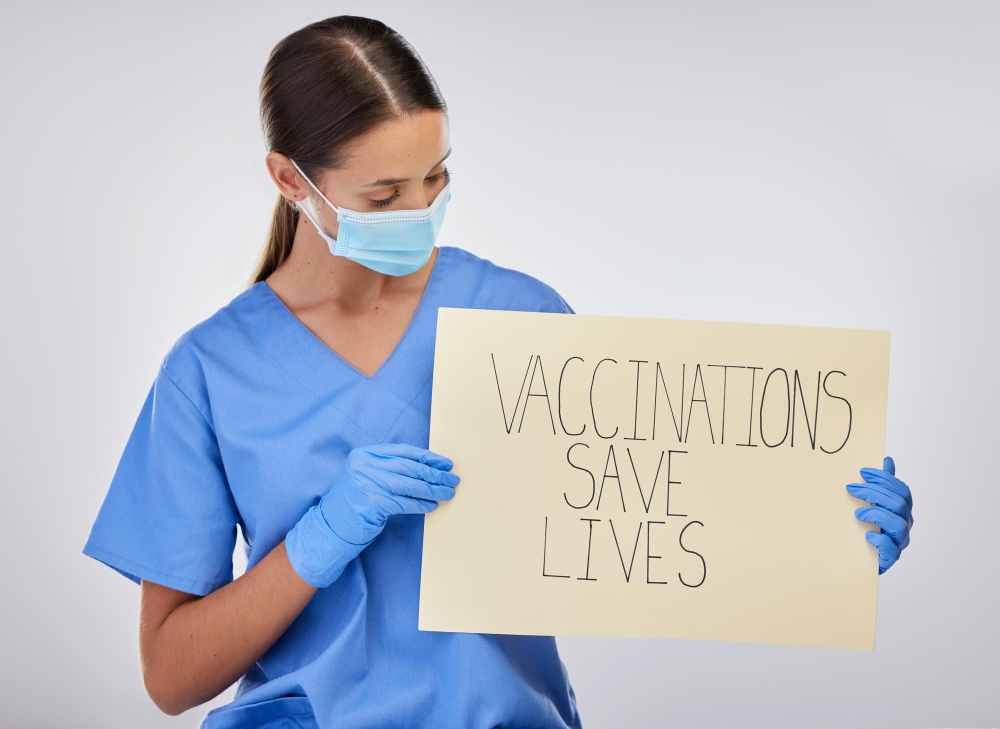
What is Vaccination?
Vaccination awareness is key to keeping you and your family healthy. But what is vaccination? Vaccination means getting a shot or medicine that helps your body fight certain diseases. In other words, vaccines teach your body how to protect itself from harmful germs. Because of vaccines, many dangerous diseases are now rare or gone in many places.
Why Vaccination Matters
Vaccines are important for everyone. First, they help protect you from getting sick. Also, they stop you from spreading diseases to others. When your family is vaccinated, you all stay safer. In addition, vaccines can save money by preventing costly illnesses. According to the World Health Organization (WHO), vaccines prevent millions of deaths each year. So, getting vaccinated is one of the best ways to care for your loved ones.
Common Vaccine-Preventable Diseases
Many diseases can be stopped with vaccines. For example, these include:
Because of vaccination, many of these diseases are now rare. However, they can return if people stop getting vaccinated.
How Vaccines Work
Vaccines help your body build protection. When you get a vaccine, your body learns to fight off certain germs. For instance, the vaccine may contain a tiny, safe part of the germ. Your immune system then makes special cells to remember and attack the real germ if you ever meet it. As a result, you are less likely to get sick.
Recommended Vaccines for All Ages
Everyone needs vaccines at different times in life. For example, babies, children, teens, adults, and older adults all have their own vaccine schedules. The Centers for Disease Control and Prevention (CDC) suggests these common vaccines:
Because schedules can change, always check with your doctor for the latest advice.
Addressing Common Myths and Concerns
Some people worry about vaccine safety. However, vaccines are tested many times before use. Here are some common myths and the facts:
If you have questions, talk to your doctor. They can give you clear, trusted answers.
How to Stay Up-to-Date with Vaccinations
It is easy to fall behind on vaccines. But staying up-to-date keeps you safe. Here are some tips:
Because new vaccines may become available, always stay informed.
Tips for Talking to Family About Vaccination
Sometimes, family members have doubts about vaccines. However, open talks can help. Try these tips:
Because you care, your support can make a big difference.
Prevention and Community Protection (Herd Immunity)
When most people in a group are vaccinated, it is harder for diseases to spread. This is called herd immunity. As a result, even those who cannot get vaccines, like some babies or sick people, are protected. So, by getting vaccinated, you help your whole community stay healthy.
Conclusion
In summary, vaccination awareness helps protect you, your family, and your community. Vaccines are safe, effective, and save lives. For the best advice, consult your general physician for personalized vaccination advice and protect your loved ones today.