
Introduction
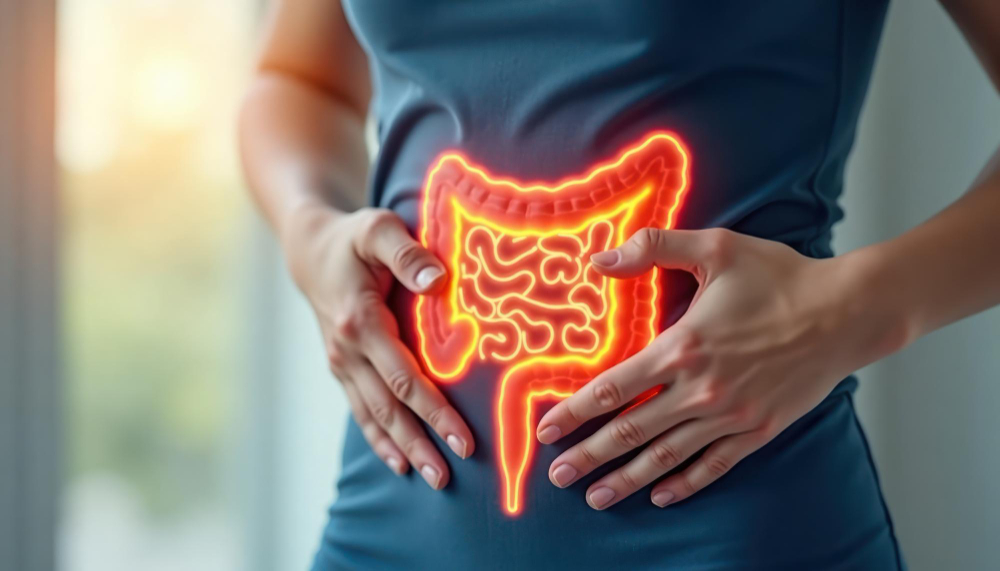
Digestive health is vital for your overall well-being. Your gut breaks down food, absorbs nutrients, and removes waste. When your digestive system works well, you feel better and have more energy. However, many people face gut problems at some point. In this blog, you will learn about digestive health, signs of an unhealthy gut, and tips for a healthy gut. You will also find out which foods and habits support gut wellness.
What Is Digestive Health?
Digestive health means your stomach and intestines work as they should. A healthy gut helps your body get the nutrients it needs. It also protects you from harmful germs. For example, your gut has good bacteria that help with digestion. When your gut is healthy, you are less likely to get sick or feel tired. In addition, a healthy gut can improve your mood and immune system.
Common Signs of an Unhealthy Gut
Sometimes, your body gives you signals when your gut is not healthy. Recognizing these signs early can help you take action. Common signs include:
If you notice these symptoms often, it may be time to focus on your digestive health. However, some symptoms can be caused by other health issues. So, it is important to talk to a doctor if problems continue.
Causes of Digestive Issues
Many things can upset your gut. Some common causes include:
For instance, stress can slow down digestion. Likewise, eating too quickly can cause bloating. By understanding these causes, you can make better choices for your gut.
Tips for a Healthy Gut
There are many simple ways to support your digestive health. Try these practical tips:
Moreover, try to eat meals at regular times. This helps your gut work better. If you travel or live in a city with different foods, introduce new foods slowly to avoid stomach upset.
Foods That Support Digestive Health
Some foods are especially good for your gut. For example, these foods can help:
In addition, foods high in fiber feed the good bacteria in your gut. Try to add a variety of these foods to your meals each week.
Lifestyle Habits for Gut Wellness
Healthy habits can make a big difference for your gut. Consider these steps:
Furthermore, keeping a food diary can help you spot foods that upset your stomach. If you notice a pattern, you can adjust your diet.
When to See a Doctor
Most gut problems are mild and go away with simple changes. However, you should see a doctor if you have:
Early medical advice can help prevent serious problems. For example, some gut issues may need special tests or treatment. Always consult a general physician for personalized digestive health advice.