
Introduction
Chikungunya is a viral disease spread by mosquitoes. Early recognition of Chikungunya symptoms can help reduce complications. Many people in tropical regions, including India and Southeast Asia, are at risk. Because symptoms can be severe, knowing what to look for is important. Quick action can prevent long-term problems. In this blog, you will learn how to spot Chikungunya, understand its symptoms, and find ways to lower your risk of complications.
What is Chikungunya?
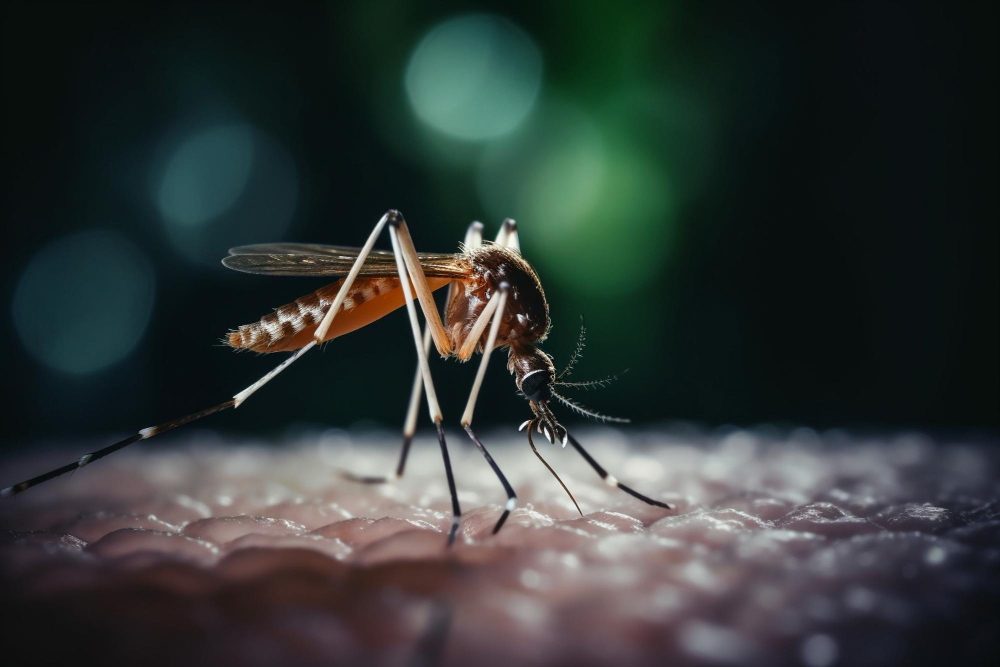
Chikungunya is caused by a virus carried by Aedes mosquitoes. These mosquitoes bite during the day. The disease is common in Africa, Asia, and the Indian subcontinent. Outbreaks can also happen in other warm regions. Although Chikungunya is rarely fatal, it can cause severe joint pain and other health issues. The name “Chikungunya” means “to become contorted,” which describes the bent posture from joint pain. The World Health Organization (WHO) and Centers for Disease Control and Prevention (CDC) provide up-to-date information on outbreaks and prevention.
Common Symptoms of Chikungunya
Recognizing symptoms early helps you get the right care. Usually, symptoms appear 3–7 days after a mosquito bite. However, not everyone will have all symptoms. The most common signs include:
Sometimes, joint pain can last for weeks or even months. In rare cases, people may also have nausea or vomiting. Because these symptoms are similar to dengue and Zika, it is important to get tested.
How Chikungunya is Diagnosed
Doctors diagnose Chikungunya based on symptoms and travel history. For example, if you have visited an area with recent outbreaks, your doctor may suspect Chikungunya. Blood tests can confirm the infection. These tests look for the virus or antibodies in your blood. Quick diagnosis helps start the right treatment and prevents complications. If you have symptoms after visiting a high-risk area, tell your doctor right away.
Reducing the Risk of Complications
Most people recover from Chikungunya within a week. However, some may develop complications. For instance, older adults, newborns, and people with other health problems are at higher risk. To reduce complications:
Sometimes, joint pain can last for months. Physical therapy or gentle exercises may help. If you notice new or worsening symptoms, contact your doctor quickly.
Prevention Tips for Chikungunya
Because there is no vaccine for Chikungunya, prevention is key. You can lower your risk by avoiding mosquito bites. Here are some simple tips:
Additionally, community efforts to control mosquitoes can help reduce outbreaks. For example, local health departments may spray insecticides or run awareness campaigns.
When to See a Doctor
Early medical care can prevent serious problems. You should see a doctor if you:
Sometimes, Chikungunya can cause rare but serious issues like heart or nerve problems. Therefore, do not delay seeking help if you feel worse or have new symptoms.
Conclusion
Chikungunya can cause severe discomfort, but early recognition and care can reduce complications. By knowing the symptoms and following prevention tips, you can protect yourself and your family. If you think you have Chikungunya, consult a healthcare professional for personalized advice and treatment.