
Introduction
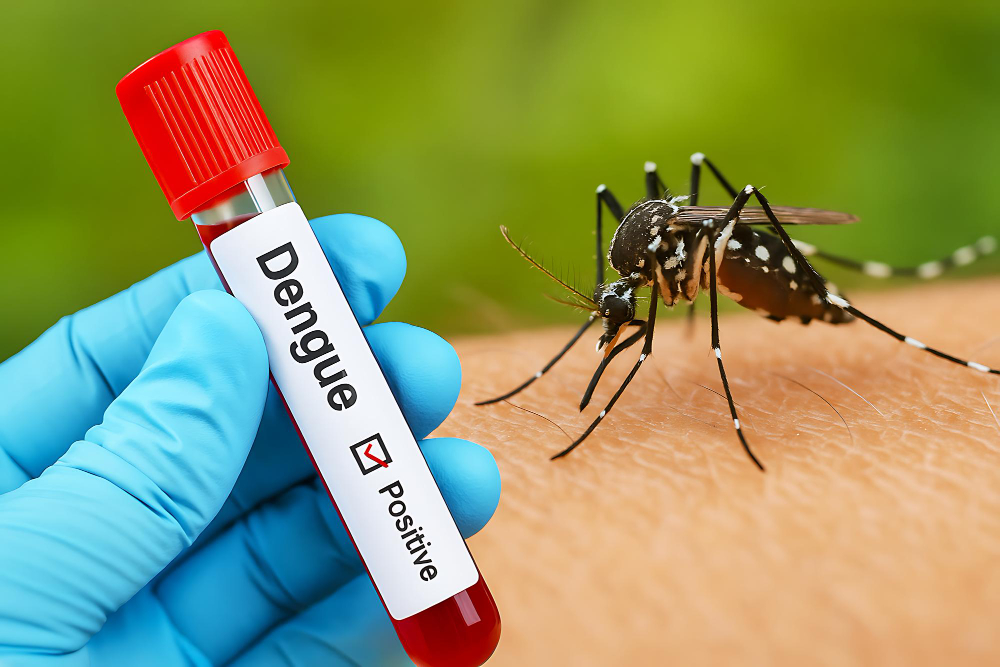
Dengue is a common monsoon infection that many people overlook. During the rainy season, cases of dengue rise quickly. Early testing for dengue is very important. It helps with early diagnosis of dengue and better treatment. Many people confuse dengue symptoms with other monsoon diseases. However, knowing the signs and getting dengue testing early can save lives. In India, dengue cases increase during monsoon due to more mosquitoes. This blog will explain why early testing matters and how you can protect yourself.
What is Dengue?
Dengue is a viral infection spread by mosquitoes. The main mosquito responsible is called Aedes aegypti. This mosquito bites during the day. Dengue can cause mild illness or, in some cases, severe health problems. Although many recover, some people may need hospital care. The infection is common in tropical countries, especially during the rainy season.
Why is Dengue Common During Monsoon?
During monsoon, water collects in open areas. Because of this, mosquitoes find more places to breed. Warm and wet weather helps mosquitoes grow faster. In India, dengue in monsoon is a big concern. Many cities see a rise in cases after heavy rains. So, it is important to stay alert during this season.
Symptoms of Dengue Everyone Should Know
Dengue symptoms often appear 4 to 10 days after a mosquito bite. Sometimes, people mistake them for flu or other monsoon diseases. But knowing the signs can help you act fast. Watch for these symptoms:
If you notice these symptoms, especially during monsoon, consider dengue testing right away.
Why Early Testing for Dengue is Crucial
Early testing for dengue can make a big difference. When you get tested early, doctors can confirm the infection quickly. Because of this, you get the right care sooner. Early diagnosis of dengue helps prevent severe problems like dengue hemorrhagic fever or shock. Also, early testing helps avoid confusion with other monsoon infections. Quick action can lower the risk of complications and speed up recovery.
How is Dengue Diagnosed?
Doctors use blood tests to diagnose dengue. These tests look for the virus or the body’s response to it. Common tests include:
Because symptoms are similar to other illnesses, testing is the only way to confirm dengue. Always follow your doctor’s advice about when to test.
Treatment and Home Care for Dengue
There is no specific medicine to cure dengue. However, most people recover with proper care. Doctors focus on treating symptoms and preventing dehydration. At home, you can:
If you feel worse or notice new symptoms, contact your doctor right away.
Prevention Tips During Monsoon
Preventing dengue is easier than treating it. During monsoon, take extra care to avoid mosquito bites. Here are some simple tips:
By following these steps, you can lower your risk of dengue and other monsoon diseases.
When to See a Doctor
If you have a high fever and any symptoms of dengue, see a doctor soon. Early testing for dengue is important, especially during monsoon. Seek medical help if you notice:
These signs may mean the infection is getting worse. Quick medical care can save lives.
If you notice symptoms of dengue, consult a healthcare professional promptly for early testing and proper care.