
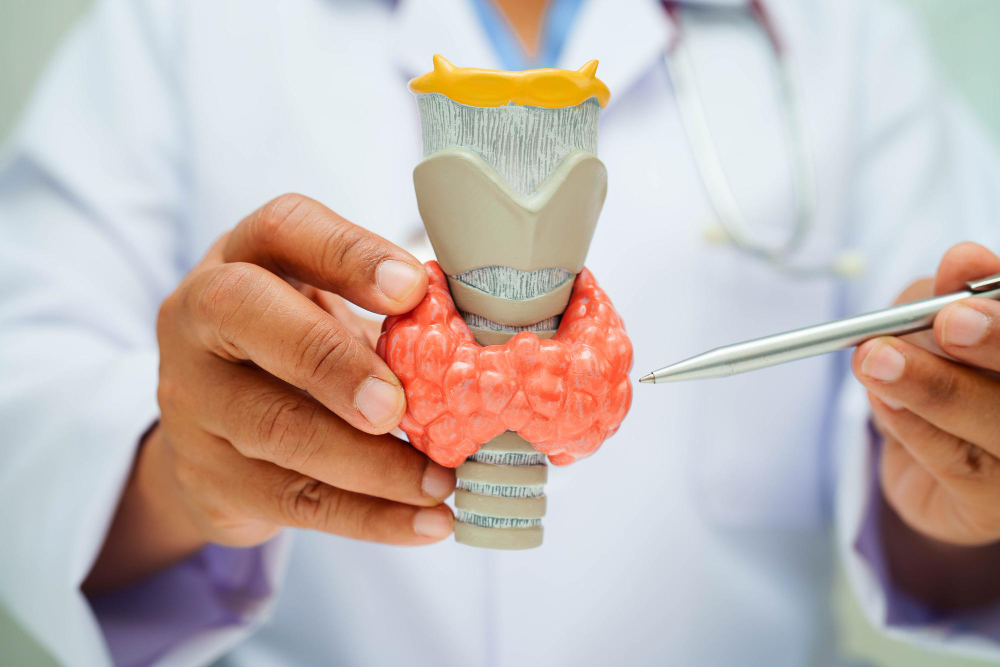
What Is Hyperthyroidism?
Hyperthyroidism is a thyroid disorder where the thyroid gland makes too much hormone. The thyroid is a small gland in your neck. It controls how your body uses energy. When it is overactive, it speeds up many body functions. This condition is also called an overactive thyroid. People with hyperthyroidism may notice changes in their body and mood. Early detection and proper hyperthyroidism management are important. Treatment for thyroid disorder can help control symptoms and prevent problems.
Common Signs and Symptoms
Hyperthyroidism can cause many symptoms. Some people may have only a few signs. Others may notice many changes. For example, you may feel more nervous or tired. Below are common signs of an overactive thyroid:
However, not everyone will have all these symptoms. Sometimes, signs are mild and easy to miss. If you notice any of these, it is wise to talk to your doctor.
Causes of Hyperthyroidism
There are several reasons why someone may develop hyperthyroidism. Most often, the cause is an immune system problem. But, other factors can play a role. Here are the main causes:
Because causes can vary, it is important to find out what is behind your symptoms.
Diagnosis of Hyperthyroidism
Doctors use several steps to diagnose hyperthyroidism. First, they ask about your symptoms and health history. Next, they may check your neck for swelling or lumps. After that, blood tests are done. These tests measure thyroid hormone levels. Sometimes, doctors use imaging tests, like a thyroid scan or ultrasound. These tests help find the cause and guide treatment. Early diagnosis helps prevent serious problems.
Management and Treatment Options
There are many ways to manage and treat hyperthyroidism. The best treatment depends on your age, health, and the cause. Your doctor will help you choose the right plan. Common options include:
With proper thyroid disorder treatment, most people feel better and live normal lives. However, regular check-ups are important to monitor your health.
Lifestyle Tips for Living with Hyperthyroidism
Along with medical treatment, healthy habits can help you feel better. For instance, eating a balanced diet supports your body. Here are some helpful tips:
Also, keep track of your symptoms and share any changes with your doctor.
Prevention and When to See a Doctor
It is not always possible to prevent hyperthyroidism. But, regular health check-ups can help catch problems early. If you have a family history of thyroid disorders, tell your doctor. Watch for signs like weight loss, fast heartbeat, or neck swelling. If you notice these, seek medical advice soon. Early treatment can prevent serious health issues.
In summary, hyperthyroidism is a common thyroid disorder. It can cause many symptoms, but effective management is possible. Consult a healthcare professional for personalized advice on hyperthyroidism.